Posted on 05/10/2026
Affordable Wedding Flowers Bromley Common Venues: Elegant Wedding Styling Without the Eye-Watering Price Tag
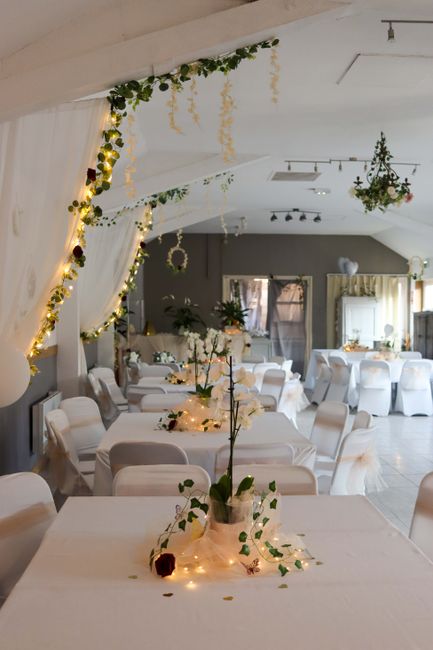
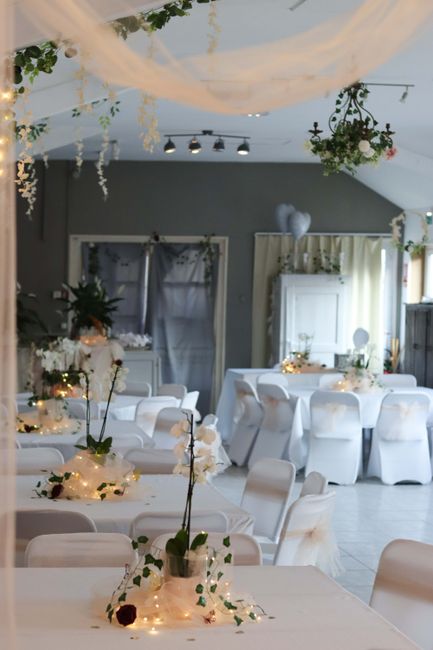
Planning wedding flowers in Bromley Common can feel like a balancing act. You want the ceremony to look beautiful, the reception to feel warm and thoughtful, and the budget to stay firmly under control. That is exactly where Affordable Wedding Flowers Bromley Common Venues comes in. Whether you are marrying in a hotel, community venue, function room, or a more intimate local space, the right flowers can transform the room without turning the day into a financial headache.
Truth be told, most couples are not looking for the biggest floral display. They want flowers that suit the venue, photograph well, and feel personal. This guide walks through how to plan budget-conscious wedding flowers for Bromley Common venues, what to prioritise, where savings usually hide, and how to avoid the little mistakes that quietly inflate costs. Let's make the flower side of planning feel a bit calmer, shall we?
For wider inspiration on wedding-ready arrangements, you may also find our wedding flowers collection useful when comparing styles and ideas.
Why Affordable Wedding Flowers Bromley Common Venues Matters
Wedding flowers do more than decorate a room. They set the tone as guests arrive, frame photographs, soften a plain venue, and help tie together outfits, tableware, and the wider colour scheme. In Bromley Common, where couples may be working with a mix of local venues and practical budget choices, the floral plan often has to do several jobs at once.
That matters because venue styles vary a lot. A cosy hall, a modern events space, and a traditional restaurant room all need different treatment. A large, dramatic arch may look incredible in one place and feel oddly oversized in another. A few well-chosen arrangements can sometimes work harder than a whole load of extras. You notice this most on the day itself: a simple entrance arrangement, a couple of ceremony pieces, and table flowers can completely change the feel of the room.
Affordable does not mean plain. It means strategic. It means spending where guests will notice and trimming where they probably will not. And if you are keeping an eye on all the other wedding costs - food, photography, outfits, transport, the lot - flowers are one of the areas where smart planning can make a real difference.
There is also a local practical side. Bromley Common venues may have limited setup windows, shared spaces, or specific rules about candles, staging, and load-in times. When flowers are planned properly, they fit the venue rather than fighting it. That saves money, stress, and a few awkward conversations on the morning of the wedding.
How Affordable Wedding Flowers Bromley Common Venues Works
The process is usually simpler than couples expect. You start by deciding what needs decorating, then match the flowers to the venue, the season, and the level of formality you want. After that, you narrow the list down to the pieces that will give the best visual return for the budget.
In practical terms, that often means building around a few core items:
- bridal bouquet
- bridesmaid bouquets
- buttonholes or corsages
- ceremony focal flowers
- table arrangements or centrepieces
- entrance or cake-area flowers, if needed
For affordable wedding styling, the biggest saving usually comes from reducing the number of individual designs. Repeating one or two arrangements across the venue creates a coordinated look and keeps labour under control. A florist can often repurpose flowers from the ceremony into the reception, which is a clever move and, frankly, one of the easiest ways to stretch the budget.
Flower choice matters too. Some blooms naturally offer more volume for the money, while others are chosen for texture, fragrance, or the luxe look they bring to a bouquet. A mixed design with roses, chrysanthemums, carnations, germini, or seasonal greenery can feel polished without needing premium stems in every arrangement. If you want a fuller visual effect, pairing focal blooms with supporting flowers is often more effective than buying expensive statement flowers across the board.
Venue type also influences the plan. A smaller room may need only a few accents to feel finished, while a larger venue might need more structure. The trick is not to "fill every corner" just because it is possible. Better to create a few strong visual moments. Honestly, weddings can become a bit overdecorated very quickly if nobody keeps an eye on the scale.
Key Benefits and Practical Advantages
There are plenty of reasons couples choose affordable wedding flowers for Bromley Common venues, and the benefits are not just financial.
1. Better budget control. Flowers are easier to scale than many other wedding elements. You can go from modest to more generous by adjusting bouquet size, stem choice, and the number of arrangements, without needing to rebuild the entire plan.
2. A more intentional look. Budget-friendly styling often looks more elegant because every piece has a purpose. Instead of dozens of mismatched displays, you get a clear visual story.
3. Flexibility with venue layout. Local venues can change shape quickly depending on guest count, ceremony format, and dining setup. Affordable flowers make it easier to adapt without feeling like you have overcommitted.
4. Less waste. A sensible floral plan uses what is actually visible and useful. That is a good thing for your budget and, in many cases, for sustainability too.
5. Easier coordination. If your flowers are designed around reusable elements, the transition from ceremony to reception can be much smoother.
There is also a softer benefit: peace of mind. You do not spend the week before your wedding wondering whether the flowers are "too much" or "not enough". You already know the plan works. That kind of confidence is worth quite a bit, to be fair.
Couples sometimes assume affordable means sacrificing charm. In practice, the opposite can be true. Thoughtful flowers can make a venue feel intimate and personal, especially in Bromley Common where many wedding spaces work best when they are styled with warmth rather than excess.
Who This Is For and When It Makes Sense
This approach is ideal if you want your wedding to feel beautiful without letting floral spending swallow too much of the budget. It is especially useful for couples planning in local venues where practicality matters as much as presentation.
It makes sense for you if:
- you are working to a clear budget
- you want a polished look without luxury-level spend
- your venue already has strong character, so flowers are there to enhance rather than completely transform it
- you are planning a smaller or mid-sized wedding
- you want arrangements that can move from ceremony to reception
- you care about keeping choices sensible and stress low
It also suits couples who are very style-aware but not especially interested in abundance. Some people want dramatic floral installations. Others want a neat bridal bouquet, elegant table pieces, and one or two focal displays that make the venue feel finished. Both are valid. The budget-friendly route is simply more about precision.
You might also find this approach helpful if your venue has restrictions or limited access. If setup time is tight, the last thing you want is a complicated floral plan with twenty moving parts. Simpler is often smarter.
And if your venue is already doing a lot of the visual work - think lovely lighting, good wall colour, or a nicely dressed room - flowers can be used as accent pieces rather than the main event. That is often where the best value lives.
Step-by-Step Guidance
Here is a practical way to plan wedding flowers without drifting into chaos or overspending.
- Start with the venue. Walk through the space if you can, or study photos carefully. Ask yourself what actually needs softening or highlighting. Is it the entrance, the registrar table, the top table, or the guest tables?
- Decide your priority pieces. Usually this means the bridal bouquet first, then buttonholes, then ceremony and reception focal points. Once those are set, the rest becomes easier.
- Choose a colour palette. Keep it tight. Two or three main colours is often enough. White and green is timeless; blush and cream feels gentle; pink with a touch of burgundy adds warmth. Too many colours and the room starts to feel busy.
- Select flowers that suit the budget. Ask for options that create volume sensibly. Supporting flowers and greenery can do a lot of visual heavy lifting.
- Plan reuse. If the ceremony and reception are in the same location, or if arrangements can be moved safely, design them with that in mind from the start.
- Be clear about quantities. "A few flowers" and "a minimal look" can mean different things to different people. Be specific. One person's small arrangement is another person's centrepiece, and that is where misunderstandings begin.
- Confirm setup timing. Venues often have practical windows for access. Make sure floral delivery and placement fit those timings cleanly.
- Review the final list. At this stage, check whether every item is genuinely needed. If not, cut it. A little restraint is healthy.
One useful rule: if you are not sure whether something is necessary, picture it being missing on the day. If nobody would notice, it is probably not a priority. Harsh, but true.
Expert Tips for Better Results
Affordable wedding flowers can still look refined. The difference is usually in the details.
Use repeated shapes. A consistent bouquet or centrepiece shape creates a more deliberate look than a mix of random styles. Repetition is your friend.
Lean on texture. Not every arrangement needs the same expensive flower. Mixing bloom types and greenery can add depth without bulk costs.
Think in zones. Instead of decorating every surface, create key visual zones: entrance, ceremony focal point, tables, and any photo area. That keeps the room balanced.
Choose flowers that photograph well. Soft, layered designs often read beautifully on camera. Some arrangements look fine in person but disappear in photos. Bit annoying, but it happens.
Use seasonal thinking where possible. Seasonal options often offer better value and a fresher overall look. You do not always need to chase a specific stem if another one gives the same feeling for less.
Ask about transfer options. If one arrangement can work in two places during the day, that is often money well saved.
Keep the bridal bouquet distinct. This is usually the bouquet people will remember most and the one that appears in the most pictures. If you are going to spend a little more anywhere, this is often the place.
A small human tip from experience: always look at your flowers in the same light your venue will actually have. Morning brightness, late afternoon warmth, and evening lighting all change how colour reads. A bouquet that feels gentle in daylight can suddenly become very bold under warm lamps.
Common Mistakes to Avoid
Wedding flower planning tends to go wrong in predictable places. The good news is that most of them are avoidable.
- Buying too many separate designs. Every extra custom arrangement usually adds complexity. Simpler planning usually saves money.
- Ignoring the venue's natural style. Some rooms need only light dressing. Overfilling them can make the space feel crowded rather than elegant.
- Forgetting practical movement. A ceremony piece may look lovely, but can it be moved easily to the reception without damaging it?
- Using too many colours. A broad palette can look cheerful in theory and messy in practice.
- Leaving the bridal bouquet to the end. That one is a classic. The bouquet often sets the tone for the whole design.
- Not checking access and setup rules. If the venue has narrow entry points, stairs, or strict delivery windows, the plan needs to fit those realities.
- Choosing flowers only by name, not by look. Two arrangements can sound similar but feel very different in scale and style.
It is also easy to underestimate the effect of table shapes. Round tables, long tables, and mixed layouts all need different floral thinking. A centrepiece that works beautifully on one table may look lost on another. That sounds obvious, but in the rush, people miss it all the time.
Tools, Resources and Recommendations
You do not need a complicated toolkit to make good decisions. A few simple resources go a long way.
A venue photo checklist. Take pictures of the room from the entrance, ceremony area, and guest view. You will spot where flowers matter most.
A colour reference note. Keep a short list of your chosen shades and any "avoid" colours. It sounds minor, but it prevents drift.
A table layout sketch. Even a rough one is useful. It helps you work out how many centrepieces you need and where they should sit.
A budget split. Divide your spend into essentials, nice-to-haves, and optional extras. That simple exercise often reveals where savings can be made.
Product category browsing. It can help to look through styles such as bridal bouquets, bridesmaid bouquets, buttonholes, and table arrangements to understand how different pieces contribute to the overall look.
If you are comparing styles for different parts of the day, a broader browse through wedding corsages and wedding gifts can help you keep the overall tone consistent too.
For delivery and practical planning, our pages on delivery, guarantees, and flower care are worth a look because wedding flowers do behave better when they are handled, stored, and delivered properly. No mystery there.
Law, Compliance, Standards, or Best Practice
Wedding flowers are not a heavily regulated topic in the way that some trades are, but there are still sensible best practices to follow. In the UK, venues commonly expect suppliers to work safely, respect access instructions, and avoid causing damage to floors, furniture, or fixtures. That sounds basic, but it matters on busy wedding days.
For couples, the main practical points are usually:
- confirming delivery times with the venue
- checking whether the venue allows open flames, if candles are part of your plan
- making sure bouquets and arrangements are safe to carry and place
- considering allergies and strong scents where guests may be sensitive
- agreeing what happens if an arrangement is moved from ceremony to reception
There are also ordinary consumer best practices worth keeping in mind: read terms carefully, understand payment timing, and check what happens if plans change. If you need general policy information, the site's terms and conditions, returns and refund, and payment pages set out those basics.
Where sustainability matters to you, it is sensible to ask how flowers are sourced, reused, or disposed of after the event. A thoughtful approach here is increasingly common, and it fits well with affordable planning too. If you want to explore that angle, the sustainability page gives useful context.
Best practice, in plain English, is simple: make sure your floral plan is safe, clear, deliverable, and realistic for the venue. The prettier it is, the better - but it also has to work in the room. That is the bit people sometimes forget.
Options, Methods, or Comparison Table
Below is a simple comparison to help you decide which floral approach fits your wedding style and budget.
| Approach | Best For | Budget Impact | Visual Effect | Notes |
|---|---|---|---|---|
| Minimal essential flowers | Small weddings, tight budgets, venues with character | Lowest | Clean and elegant | Focuses on bouquet, buttonholes, and one or two key displays |
| Balanced venue styling | Most Bromley Common venue weddings | Moderate | Polished and cohesive | Combines ceremony flowers, table pieces, and reuse between spaces |
| Statement-focused styling | Couples prioritising photos and impact | Higher | Dramatic and noticeable | Usually needs more setup time and more stems |
| Venue-wide floral dressing | Larger rooms or formal events | Highest | Immersive | Strong effect, but easiest to overspend on |
For many couples, the balanced option is the sweet spot. It gives enough flowers for the venue to feel special without straying into overproduction. You still get charm. You still get photos you will like in ten years. Just with fewer unnecessary extras.
Case Study or Real-World Example
Imagine a couple booking a Bromley Common venue for a late-spring wedding. The room is pleasant but fairly plain, with neutral walls, decent natural light, and simple table layouts. They do not want a "floral explosion" - their words, not mine - but they do want the space to feel warm and finished.
Instead of ordering lots of different styles, they choose one bridal bouquet style, matching bridesmaid bouquets, buttonholes, and a modest number of table arrangements. The ceremony flowers are planned so they can be moved to the reception after the vows. That means the same investment works twice. Sensible, right?
The visual result is a room that feels intentional. Guests arrive and see flowers where their eyes naturally land: entrance, ceremony table, and dining area. The couple gets a polished look in photos without having spread the budget thin across too many pieces. No drama. No overcomplication. Just a steady, elegant finish that suits the venue.
That kind of plan is often the most realistic for local weddings. The best floral choices are not always the biggest ones. Sometimes they are the ones that fit the day neatly and quietly do their job.
Practical Checklist
Use this checklist before finalising your wedding flowers.
- Have you walked through the venue layout, or reviewed photos carefully?
- Do you know which areas actually need flowers?
- Have you chosen a colour palette and stuck to it?
- Is the bridal bouquet your main priority piece?
- Have you decided which arrangements can be reused later in the day?
- Are the flower sizes appropriate for the venue scale?
- Have you checked delivery timing and access details?
- Do you know which items are essential and which are optional?
- Have you considered seasonal alternatives for better value?
- Have you reviewed care, handling, and any venue restrictions?
Quick expert summary: the best affordable wedding flower plans are usually the ones that simplify, repeat, and reuse. If your flowers work in photos, suit the room, and fit the schedule, you are already ahead.
Get a free quote today and see how much you can save.
Conclusion
Affordable wedding flowers for Bromley Common venues are not about cutting corners. They are about making smart choices so the flowers support the day instead of dominating the budget. With the right priorities, a clear colour palette, and a venue-aware approach, you can create something that feels graceful, personal, and properly finished.
If you remember only one thing, make it this: spend on the pieces people will notice most, and keep the rest simple. That is usually where the best value lives. And on the day itself, when the room is full and the flowers are catching the light, you will be glad you kept things focused. A calm plan has a way of showing up beautifully.
Frequently Asked Questions
What do affordable wedding flowers for Bromley Common venues usually include?
They usually include the bridal bouquet, bridesmaid bouquets, buttonholes, and a small number of ceremony or table arrangements. The exact mix depends on the venue size and your budget.
How do I keep wedding flower costs down without making the venue look bare?
Use fewer designs, repeat the same style across the room, and reuse flowers from the ceremony at the reception where possible. That tends to give the best balance of value and impact.
Are seasonal flowers really better for budget weddings?
Often, yes. Seasonal flowers are usually easier to source and can offer better value, though the exact savings vary. They can also suit the natural feel of a venue quite well.
What flowers work well for simple wedding centrepieces?
Roses, carnations, chrysanthemums, germini, alstroemeria, and mixed greenery are commonly used because they can create volume without needing every stem to be premium-priced.
Can flowers be moved from the ceremony to the reception?
In many cases, yes. It is one of the best ways to stretch a budget. You just need to plan the move carefully so the arrangements stay fresh and intact.
How far in advance should I plan wedding flowers?
As soon as your venue and overall wedding style are reasonably fixed. The earlier you plan, the easier it is to align flowers with layout, timing, and budget.
Do smaller venues need fewer flowers?
Usually, yes. Smaller spaces often need fewer floral touches to feel complete. A couple of well-placed arrangements can have more effect than lots of small ones.
What should I prioritise if my budget is tight?
Prioritise the bridal bouquet, any key personal flowers, and the most visible venue areas. Those pieces usually do the most visual work and are most noticed by guests.
How do I make sure the flowers suit the venue?
Look at the room's size, lighting, table layout, and existing decor. The flowers should complement the space, not fight against it. A venue photo review helps more than people expect.
Is it better to have one large display or several smaller ones?
That depends on the venue. One large display can work well at a focal point, but several smaller arrangements often give better coverage and more flexibility in a budget-conscious plan.
Can I use the same flowers for bridesmaids and table decor?
Sometimes, yes. A consistent flower palette can tie the whole wedding together and reduce the need for lots of separate designs. It is neat, practical, and often looks more polished.
What should I check before confirming my order?
Check quantities, colours, delivery time, venue access, and any items that need moving later in the day. It is worth doing one final review so nothing gets missed in the rush.